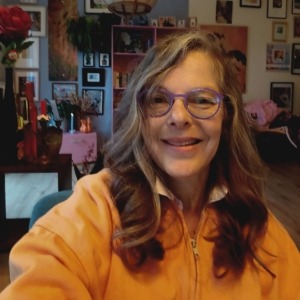
My name is Floortje van Loon and I am 53 years old. I was born in 1972 in South Africa, near Cape Town. My parents had moved there from the Netherlands. “My father wanted a different challenge, a different life,” he says.
Soon after my birth, it became apparent that I had a physical disability. I developed slowly and spent my early years in a rehabilitation center. “I couldn’t walk until I was three. I was way behind because of my motor skills.”
Difficult youth
In 1978, we returned to the Netherlands with our family. Not long after that, my parents separated. My childhood was complicated and often difficult. “My parents made me and my sister offspring feel that we were not wanted. That left deep marks.”
At school it became clear that my mother was abusing me then I went to live with my father through a court order .
When I was 12, I went to live with my father, while my twin sister stayed with my mother. Because the distance from school was too far, I went to live internally at the rehabilitation center. “I actually could not live with my father, he lived in Nieuwegein and the Mytylschool (an adapted school for children with physical disabilities, ed.) in Arnhem was too far away. The rehabilitation center was located next to the school, then I went to live there internally for three years while staying with my father on the weekends.”
Looking back, that period also gave me something precious. “That’s where I caught up with my youth. For the first time, I felt freedom. I was no longer just that quiet, anxious girl.”
Twin sister
Later, life struck hard again. My twin sister Lydia died at the age of 16 by suicide (1988). “That loss never goes away,” I say. “It doesn’t have to. It’s woven into who I am and into what I create.”
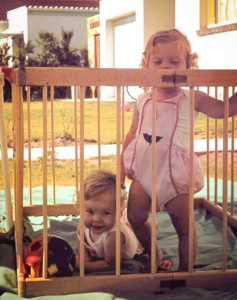
In the following years, I also lost my mother (1998) and my oldest brother (1999). “At one point, I thought: everyone just dies. Maybe it’s because of me.” That thought led me to an eating disorder.
In 2002 and 2007, I was hospitalized because of anorexia. Years of treatment and assisted living followed. Eventually I ended up in a wheelchair. Yet slowly, space to look forward emerged again. “At one point I thought: I can die, or I can live. It’s not that simple, but it became my starting point.”
Almelo
In 2005, I moved to Almelo. There, after years of care and dependency, I tentatively began making art. “I had an opinion, I was committed to the world, but I couldn’t express that anywhere.”
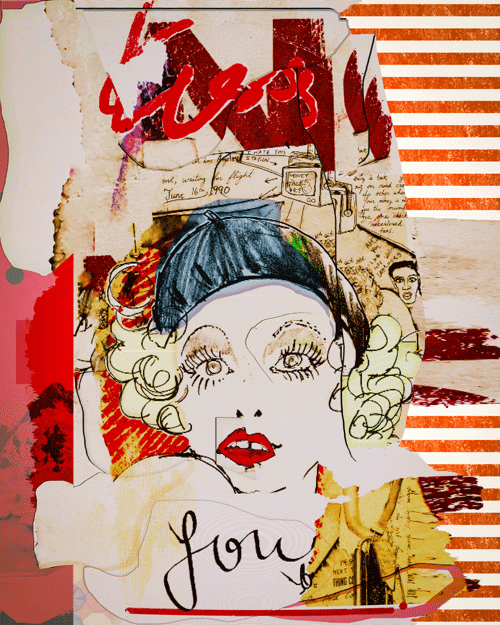
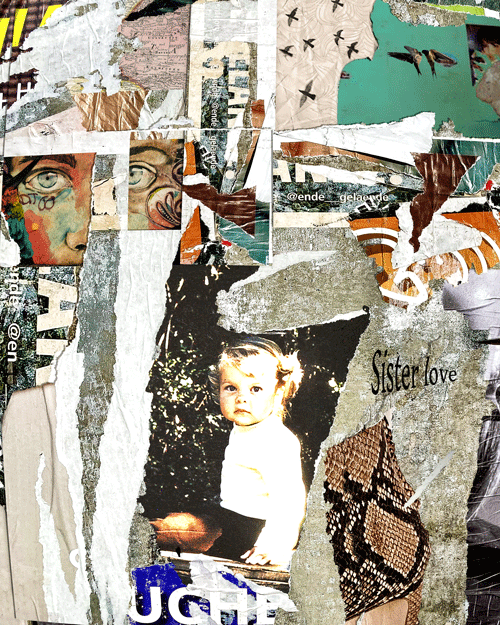
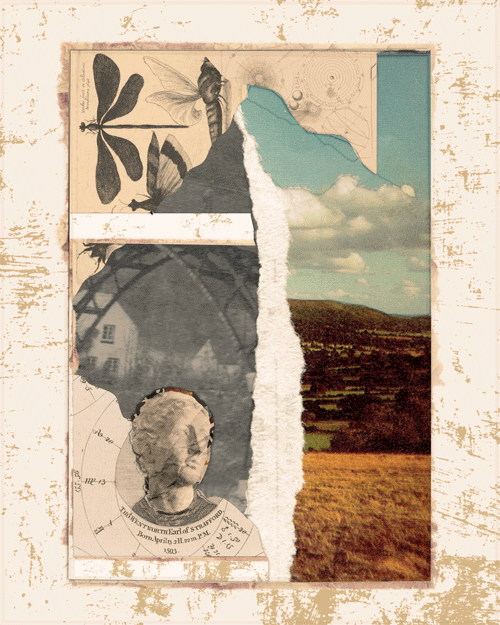
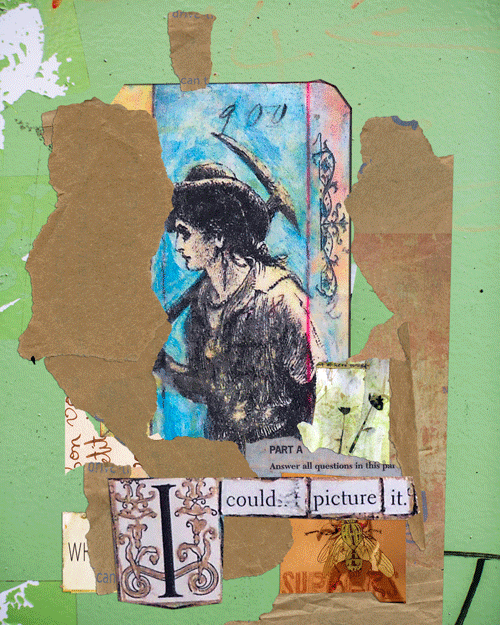
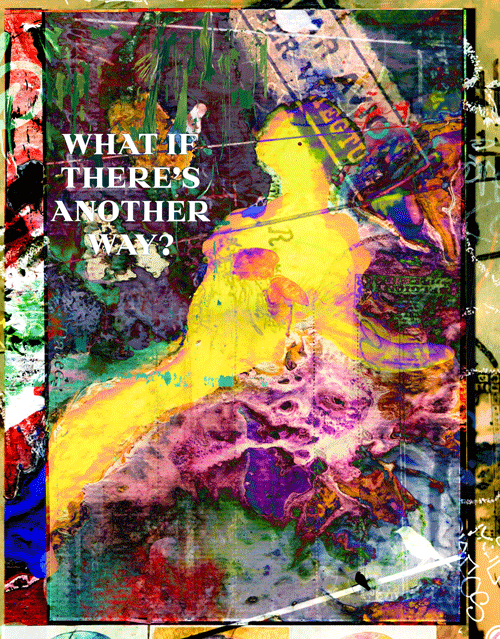
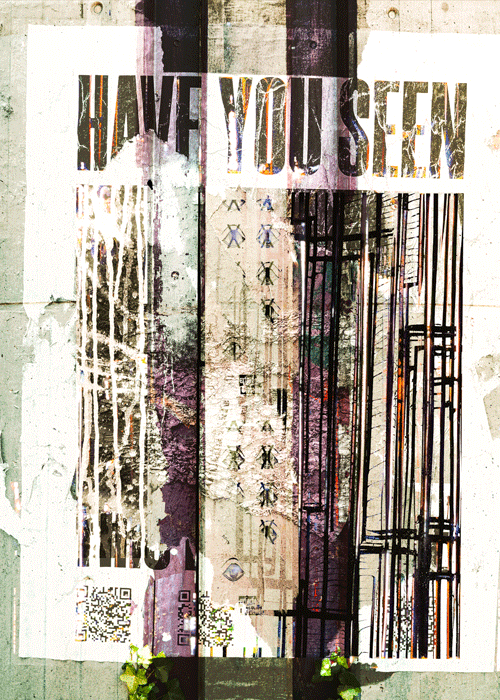
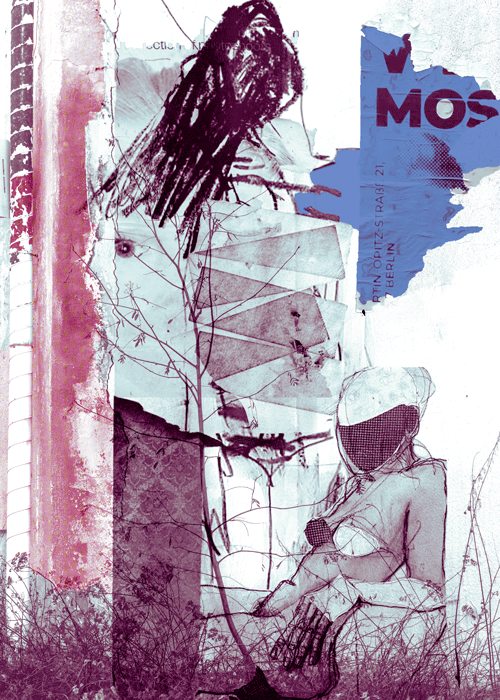
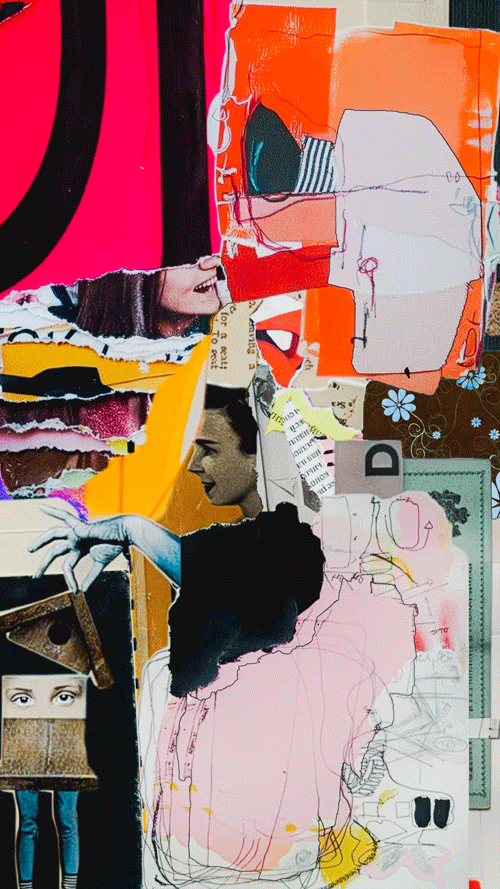
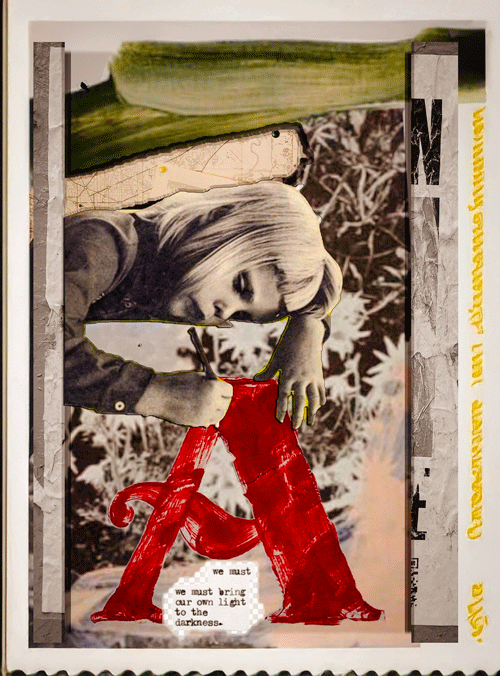
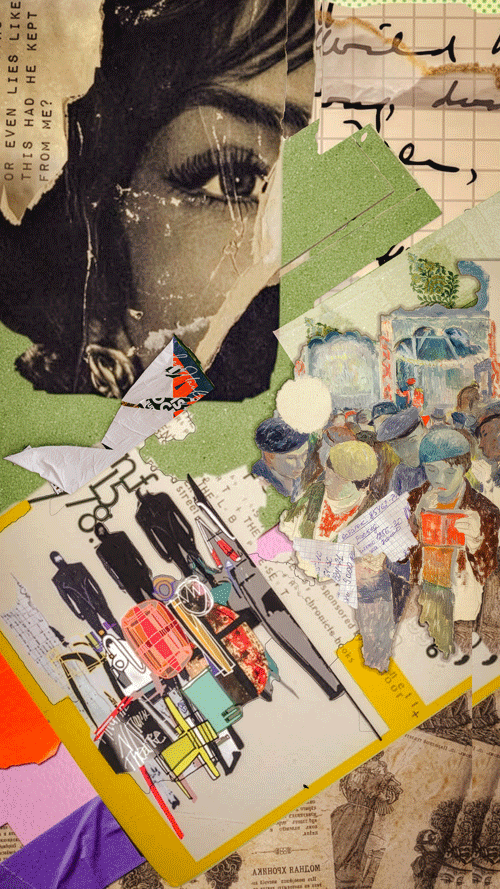
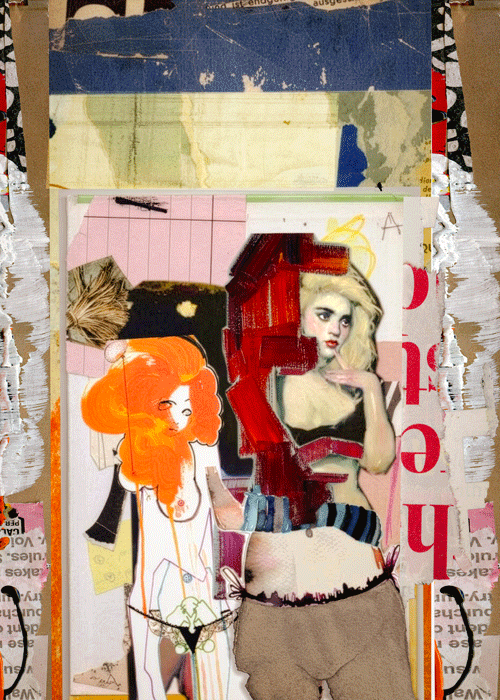
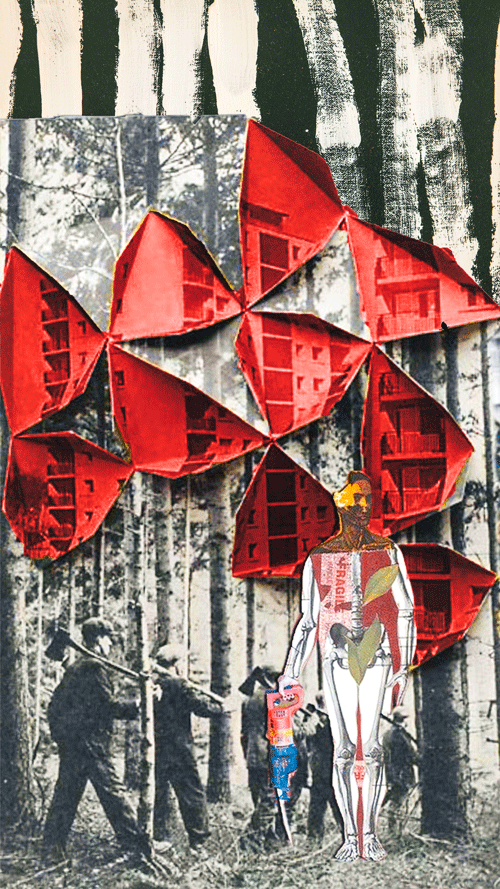
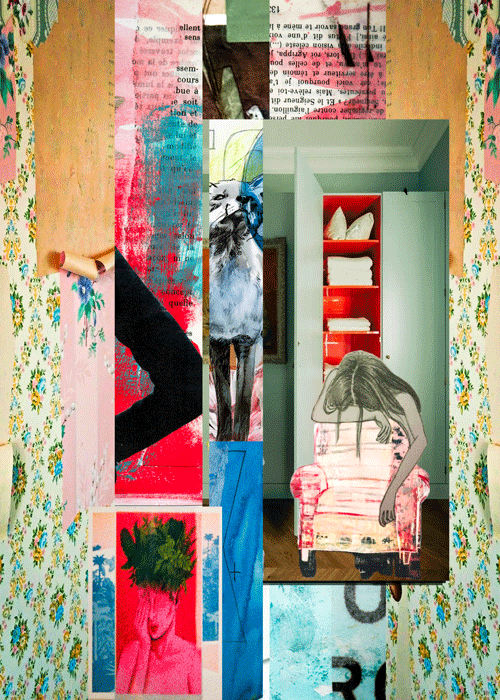
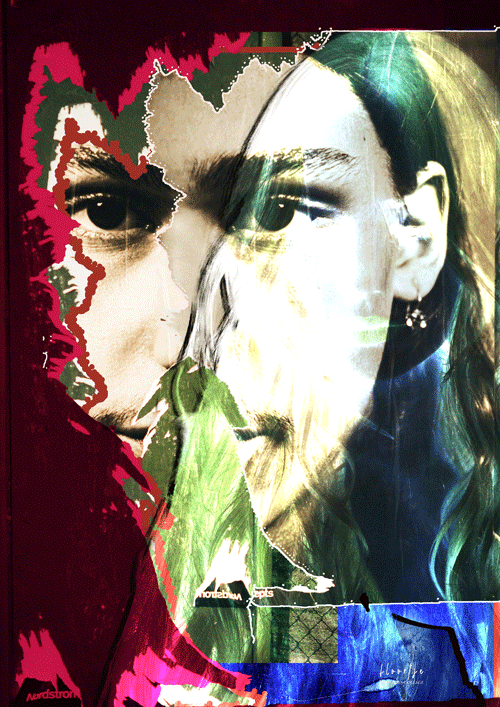
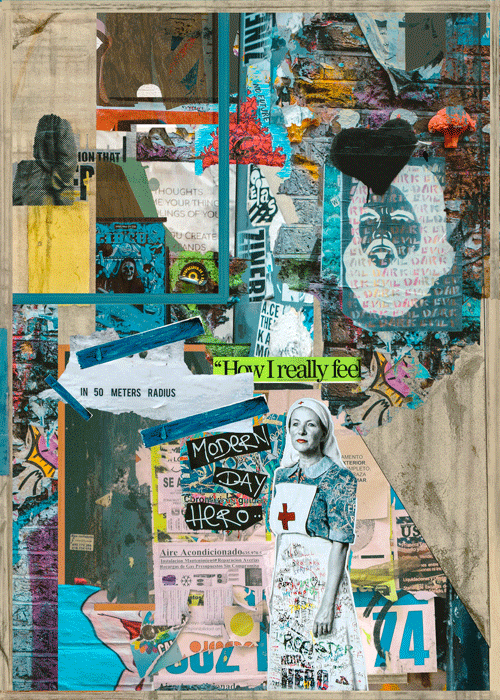
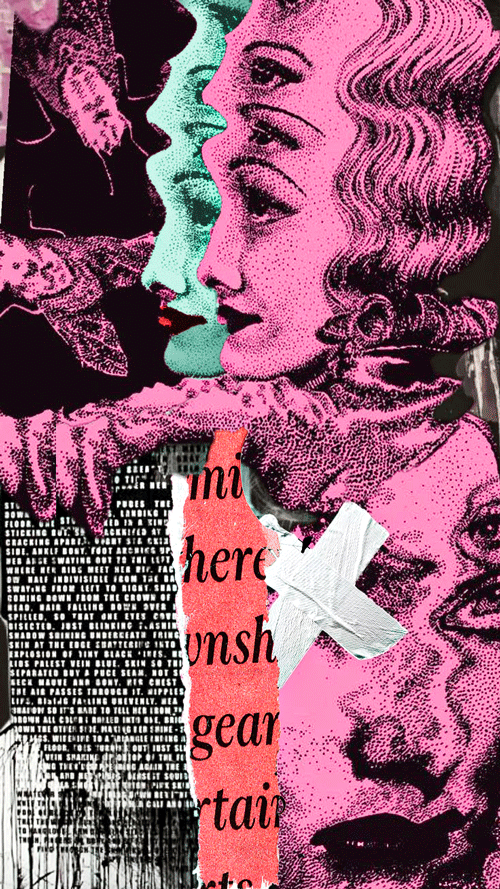
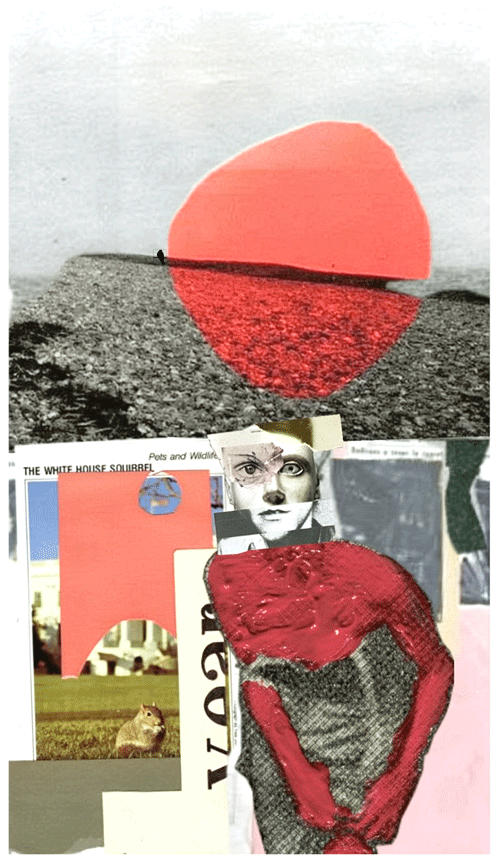
At 41, I started making digital collages. I taught myself how to work with Photoshop. “I’m self-taught. Cutting, pasting, combining – that’s how I found my own language.”
My work reflects themes of loss, vulnerability, identity and inequality. “I depict sadness, but also joy. Grief, but also strength. Things I couldn’t express before, I can now show.”
My images sometimes appear calm or beautiful, but those who look more closely often discover a deeper layer. “People see a woman in a wheelchair, or someone with a difficult history. But that’s not the whole story. Just like in my work: what you see is never the complete picture.”
By this I want to show how quickly we tend to judge. I personally make clear choices in this as well. After a heavy hospitalization 2 years ago, in which I ended up in intensive care, my father (2024) died at that time. Our relationship had been bad for years, which was very sad for me, so I couldn’t be at the farewell and didn’t see my father again, which still weighs heavily and I also can’t believe he died.
As a result, the feeling of taking direction for my own life only grew stronger.
“I am who I am.”
I call myself both “Floortje” and “Floor. “I don’t want to go with the crowd. I am who I am.”
These two sides come together in my art: personal, sometimes confrontational, but also hopeful. With “It is not what it seems,” I want to show that behind every image and behind every person there is a story deeper than the outside.